Promoting socially just mathematics teaching

The Promoting Socially Just Mathematics Teaching (PSJMT) research project was a collaboration between 15 teacher educators (all members of the TMSJN) supported by a BERA Small Grant. The research team worked together to develop, trial and evaluate a series of professional development workshops (now freely available on the TMSJN website). The project also involved reflecting on our ongoing work, with both student teachers and experienced practitioners, in raising awareness of social justice issues within the mathematics classroom.

A key finding from the project was the value and importance of professional networks (such as the TMSJN) for providing mutual support and encouragement for practitioners to reflect critically on existing practice and to overcome constraints they face. A summary of all findings can be found in the project report published by BERA. We have presented our findings at several conferences including the BERA 2025 Conference in Brighton, where we ran a workshop for teacher educators across different disciplines. The next step will be to publish in academic journals during the coming year.

The PSJMT project built on a framework for teaching mathematics for social justice that has been developed and refined over several collaborative action research projects with teacher researchers. Further exemplification of this framework, along with information about these projects, can be found in Pete’s conference paper and plenary talk to the AMESA Congress held in South Africa in July 2025.

Sharing practice in TMSJ online workshops

The TMSJN held a series of online workshops in June 2025. These workshops provided opportunities to engage with and discuss ideas, teaching approaches, classroom resources and work in progress. There were 7 presenters and 25 participants across the 3 workshops. Details of each workshop, including the workshop outline, a recording of the presentation, and the presenter’s reflections on the discussion, can be found below.

A critical analysis of murder rates by people of colour (POC) in America
Naomi McReynolds (High School of Dundee)

Outline: I would like to share a lesson I created around privilege and the bias of statistics in the media. From the lesson pupils should understand the importance of backing up a claim with statistics and reflect on privilege and systemic injustice. The second part of the lesson is built around the FBI data of murder rates by POC in America. Pupils should learn how to critically analyse the statistics seen in the media. We will consider how we could analyse the data differently to evoke different emotional responses and consider other factors that might influence the data, with consideration to correlation vs causation.

Watch a recording of Naomi’s presentation.

Naomi’s reflections: I was very grateful for everyone’s feedback. I was overwhelmed by the positive support and reminder that anti-racism is needed in the classroom, that pupils are asking for something like this, and that understanding statistics plays such an important role in countering what we see in the media. I was given some great ideas for taking this forward such as having practice conversations with pupils about race, and racial identity, and warming up to the lesson. I will explore the suggestion to do a lesson study, with support from other colleagues in the area, and to invite parents in to experience the lesson and garner their thoughts on it. I would also like to add in a role play element to the lesson to allow pupils to experience the misleading statistic first hand. I am very grateful to the TMSJN group for their support and constructive feedback. I would like to give credit to Theodore Chao and Maya Marlowe for the idea of the Peace Garden (taken from Elementary Mathematics and #BlackLivesMatter) used as an introduction in my presentation.


Conscientisation and codesign in secondary maths
Jane Goodland (secondary school in Hertfordshire)

Outline: In an attempt to challenge the oppressive, narrow and passive educational experience which dominates maths classrooms in England, I have been attempting to interpret and recreate the work Paulo Freire outlines in Pedagogy of the Oppressed. I present the research project I am carrying out with my year 10 class which falls into two stages: ‘conscientisation’ (coming to an understanding of the injustices we are experiencing) and ‘codesign’ (working together to collectively challenge these injustices). In line with the principles of my project, my presentation has been cocreated by me and my participants and is deliberately interactive and dialogic.

Watch a recording of Jane’s presentation.


Maths that empowers fairness, agency, critical thinking & real-world connections
Angel Hinkley (Drumchapel High School)

Outline: In this session, I will share a resource I developed to embed equity, real-world relevance, and critical thinking into maths lessons. I will showcase practical examples and outcomes, demonstrating how maths can inspire collaborative learning, amplify pupil agency, belonging and spark meaningful discussions about fairness and inequality. I will highlight the impact of this approach, as observed by my colleagues and me, and how social justice, rights, and equality resources use innovative ways to connect maths meaningfully to students’ lives, empowering them to engage critically and empathetically with the world through a mathematical lens.

Watch a recording of Angel’s presentation.

Angel’s reflections: It was great to share my experience with such a supportive group. When delivering Social Justice-themed lessons and starters, some young people think they’re not doing Maths, as it doesn’t follow the traditional approach they’re used to, and they don’t always make the connections. While I do try to highlight the links, discussing this with the group made me realise the need to structure these connections more clearly.
Moving forward, I plan to make these links more explicit by asking learners—at the end of each starter or lesson—to identify which Maths topics from the BGE (Broad General Education) plans or Senior Phase curriculum were covered. This will help reinforce that these lessons are fully aligned with the curriculum. I’d also like to explore the idea of the young people creating displays for the Maths corridor and launching a Maths campaign to have a more Social Justice, Rights, and Equalities embedded within the curriculum.
A huge thank you for the inspiration and the encouragement to take these next steps.


Considering racial and ethnic data from the QuantCrit perspective
Ric Crossman (Durham University, Department of Mathematical Sciences)

Outline: A brief summary of the approach known as QuantCrit (see e.g. Castillo and Strunk, 2024), and how it can be used to deconstruct problematic assumptions relating to race and ethnicity in the practice of statistical education.

Watch a recording of Ric’s presentation.


Teaching maths for social justice: A primary school teacher’s perspective
Anne Kagoya (Barn Croft Primary School)

Outline: When a primary school teacher plans , develops and applies a learning without limits approach in the teaching of primary school mathematics, the opportunities for embedding social justice are immense. This presentation aims to share how one primary school teacher teaches maths for social justice in the everyday. The presentation will briefly explore the theory influencing practice, materials used and children’s learning.

Anne’s reflections: Preparing for the presentation and then sharing with TMSJ colleagues was both nerve-wracking and a joy. I felt I worked hard to try to share that ‘Learning without Limits’ as an approach to mathematics teaching is an act of social justice. That it is the pedagogy as well as the content that helps to foster teaching maths for social justice. I greatly appreciated the comments and questions from colleagues, as they provoked further thought and highlighted the common threads across the school community.  I continue to consider how I could engage parents and children more fully in order to feel more confident in their voices being shared honestly and ethically. The ethics and practicality is something I will continue to explore and this is the reason  I decided not to share the recording. 

Some links, which I use to help me develop TMSJ in my practice, include:


Reflections on PGCE study and TMSJ (shorter presentation)
Tawfiq Morshed (PGCE Secondary Maths student teacher, Leeds)

Outline: I will share some reflections on my recent experiences completing a PGCE course and how this relates to social justice.

Watch a recording of Tawfiq’s presentation.

Tawfiq’s reflections: It was very inspiring to discuss how experienced members came to TMSJ. I mention that my own journey so far has been quite solitary, but I have left with a long list of events, courses, and organisations to look into. Hearing the other speakers’ considerations in current practice and examples (such as looking at minimum wages across the world) have given me ideas to take forward as I begin my ECT years. I also hope members consider discussing these ideas more with trainees and mentees if they aren’t already, and consider what internalised beliefs trainees might not share unless prompted. Thank you to everyone that organised the workshops and everyone that attended!


PGCE mathematics student teacher lessons
Manjinder Kaur Jagdev (PGCE tutor, York St. John University)

Outline: In this session I outline the work that my PGCE Secondary mathematics and BA Honours Primary Education student teachers have been doing in relation to teaching critical mathematics education, on the themes of anti-racism, diversity, inclusion and social justice. These include an observation of a Year 10 lesson on climate change with pupils’ powerful feedback, student teachers’ reflections, a Year 8 lesson about problem-solving, linked to Alan Turing and Katherine Johnson, and a Year 8 lesson about minimum wages around the world. In addition, I include lesson ideas from primary student teachers who worked together collaboratively, to create lesson ideas for their pupils, linked to the mathematics national curriculum. I have included a short animation suitable for primary and secondary pupils, about deforestation and the production of palm oil. This work is impactful for pupils, families, communities and the wider world.

Watch a recording of Manjinder’s presentation and download the PowerPoint.

Manjinder’s reflections: It was good to share this work with colleagues within the ‘Teaching mathematics for social justice’ network, and especially to support those new to embarking on these themes. In my experience as a secondary school teacher and now as a teacher educator, lessons centred on critical mathematics education and social justice have always been well received. Pupils have shown increased levels of engagement and motivation, finding more space to express themselves and having their voices heard. As highlighted by my student teachers, this work can be linked to the mathematics national curriculum, providing meaningful real contexts beyond the classroom to make learning relevant for pupils. As teachers, we have a responsibility to empower our pupils to make the world fairer, equitable and more social just. Thank you for everyone’s support, encouragement, inspiration and enthusiasm.

[Details of the other workshops will be added below]

New professional development workshops

Teacher educator members of the TMSJ Network have been developing a series of ‘free to download’ professional development workshops available on the TMSJN website. Each workshop is designed for use with a group of teachers, either primary or secondary, student teachers or experienced teachers. There is a downloadable PowerPoint presentation and accompanying notes for facilitators. The materials are designed for use by a teacher educator or anybody else wishing to facilitate the workshop activities and discussions.

The first workshop, ‘Introduction to Teaching Mathematics for Social Justice’, was published in February 2025. It aims to enhance the practice of teachers and promote their engagement with TMSJ approaches and activities. Pete was awarded the 2024 ISDDE Prize, which was used to support the development of the workshop.

A series of three follow-up workshops are currently being developed as part of the ‘Promoting Socially Just Mathematics Teaching’ research project supported by a BERA Small Grant Fund:

  • Socially just approaches to tackling inclusion in mathematics
  • Socially just approaches to tackling engagement with mathematics
  • Socially just approaches to problem solving in mathematics

Members of the PSJMT research team (teacher educator members of the Network) are currently trialling these workshops with student teachers and experienced teachers. Draft versions are currently available on the TMSJN website. You are welcome to download and use these workshops in their current form. To help us refine, develop and finalise these workshops, we are keen to receive feedback from facilitators who have tried them. Please email feedback to: pwright002@dundee.ac.uk

All workshops incorporate important design principles considered important for promoting socially just pedagogies and practices amongst practitioners. These include:

  • Encourage prolonged engagement – avoid ‘one-off’ training sessions.
  • Incorporate opportunities to ‘do mathematics’ together throughout sessions.
  • Encourage teachers to talk/discuss/contribute.
  • Model TMSJ practice during sessions – make this explicit by asking ‘What have I done? Why? How else could I do it?
  • Distinguish clearly between modelling tasks and reflecting on pedagogy.
  • Facilitate critical reflection on practice through challenging discourses.
  • Support teachers in putting socially just maths teaching ideas into practice.

These principles were generated through discussions at a Critical Mathematics Education Working Group session which Pete ran at the BSRLM Conference in Loughborough in June 2024, together with three other members of the Network (Manjinder Jagdev, Cristina Mio, Caroline Hilton).

Weaving together the threads of Indigenous knowledge and mathematics: Reflections from reading group meeting

Contributors: Cristina Mio, Manjinder K. Jagdev, Pete Wright, Hilary Povey

The reading group is for those wishing to engage with research literature on TMSJ and discuss its relevance to practice. The eighth online reading group meeting took place on 4th December 2024. We chose to discuss the 2024 paper titled Weaving together the threads of Indigenous knowledge and mathematics authored by Jodie Hunter and Roberta Hunter from Massey University, Aotearoa/New Zealand (open access).

We began by breaking into smaller groups to discuss the following questions:

  • How do the authors propose Indigenous knowledge is centred in mathematics classrooms?
  • How do the findings of the paper relate to your own experiences and classroom practice?
  • Would you do anything different in future having read this paper?
  • What does ‘decoloniality’ mean to us, and what role might it play in teaching maths for social justice?

We were joined for the second half of the meeting by the article’s first author, Jodie Hunter, who helped facilitate a thought-provoking discussion of the issues raised in the paper, prompted by questions and comments from the groups.
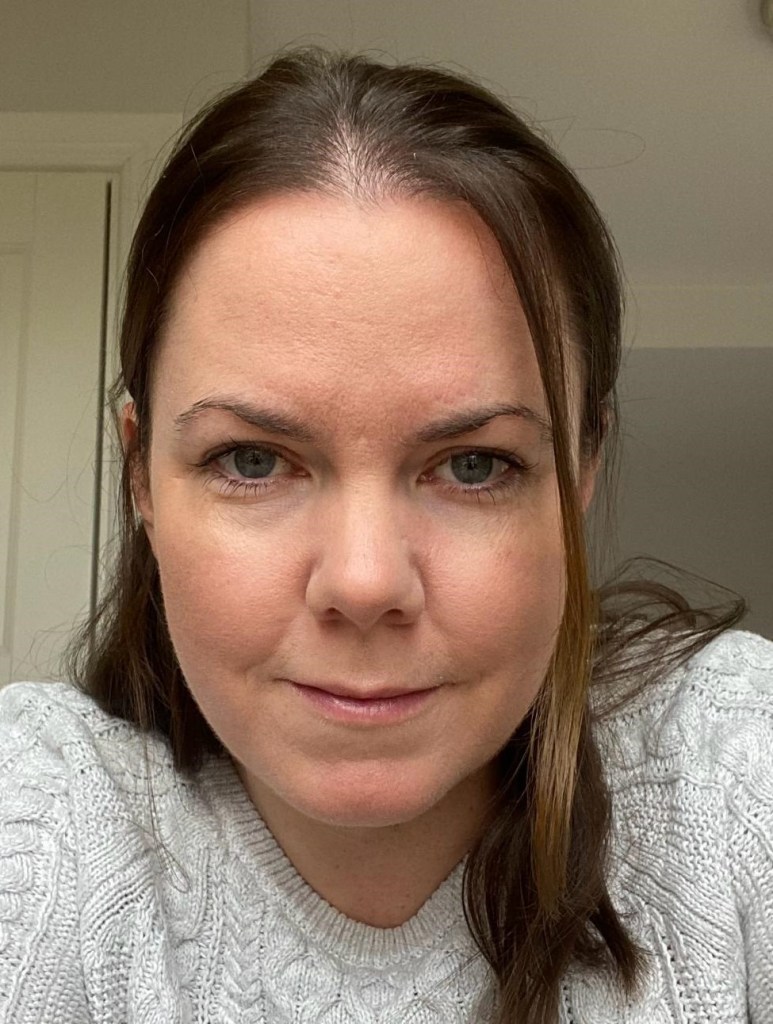
Jodie Hunter is a full professor in the Institute of Education at Massey University, New Zealand, and teaches in the area of Mathematics Education and Pasifika education. She has been involved, both in the UK and in New Zealand, in collaborative work with teachers and students to facilitate change in their mathematics classrooms. Her previous research while working at Plymouth University, UK, included a strong focus on developing early algebraic reasoning in primary classrooms. This included a focus on teacher professional development, classroom and mathematical practices, and student perspectives.  Since her return to New Zealand, she has a growing interest in the development of culturally responsive teaching for Pasifika students in the mathematics classroom. Central to this area is the need to consider the cultural, linguistic and social contexts of Pasifika students and to develop stronger home/community and school partnerships.

Here are some reflections on the paper and the meeting from those who attended …

Cristina Mio, University of Glasgow

I found this article poetic and full of hope. The central role that family, traditions, collectivism and connections have in the Pacific worldview comes through strongly. Three generations of women from the same family contributed, in different ways, to the making of the article.  The two authors, Roberta and Jodie Hunter, are mother and daughter, and Eileen Cavanagh, the authors’ mother and grandmother, created the Tivaevae quilt depicted in one of the figures and used to explain the Tivaevae process as a metaphor for the participatory research design used in the article.  I found embedding personal family history within an academic paper on mathematics education novel inspiring and moving.

During the reading group meeting, Jodie Hunter gave us some background around the paper and the project described in it.  Her words made me realise how little I know about Aotearoa New Zealand and its people’s history, and how different the Aotearoa context is compared to the United Kingdom one (and not just weather-wise!).  But, despite these differences, I found the main messages of her article highly relevant to the UK (and any) context, for example, how important it is for a teacher to get to know and respect their pupils’ family background and to recognise, value and build on the knowledge that each pupil brings with them to the classroom.

Manjinder K. Jagdev, York St. John University

I enjoyed learning about the two different aspects of professional learning and development highlighted in Jodie’s paper i.e. adaptations to the content / curriculum by choosing tasks that are directly relevant to cultural activities (building a canoe); and collectivism (pedagogy) of teachers collaboratively working together with their pupils. This reinforced the message of moving away from a deficit model of learners lacking mathematical knowledge to one that looks for opportunities by incorporating their strengths from cultural contexts. I appreciated the recognition and embodiment of cultural values (respect, humility, reciprocity, relationships and service) in classroom activities which lend themselves to group-work amongst teachers and students. This contrasts with the western, neoliberal and colonial perspectives of mathematics learning and teaching, that permeates and pervades practice across the world. The focus on competition and consumerism in mathematics teaching, and viewing only one way of doing things, limits and constrains mathematical understanding. The social justice values in this research are a refreshing move away from this restrictive world view of ability teaching which has fixed notions of what children can achieve. By incorporating cultural activities, it was inspiring to see both teachers and children benefitting in mutual growth. One of the messages is that anti-colonial and decolonial practice, to make learning more collaborative, is good for everyone. This opportunity allowed both teachers and students to have agency and their voices to be heard. The teaching practices described in Jodie’s work centres children’s cultural experiences for a better way forward in mathematics education.

Pete Wright, University of Dundee

The authors highlight how learners in Aotearoa from Pacific and Māori heritage tend to be marginalised by learning environments dominated by Western principles of individualism and competition. These learners often experience dissonance between their own collectivist values and beliefs, generated through their cultural backgrounds, and the school curriculum. The authors highlight the success of anti-colonial practices, drawing on relational and responsive pedagogies, that promote collectivist approaches to learning and reposition students as co-constructors of knowledge. These findings resonate with the work that many of us within the TMSJN are engaged in around promoting socially-just approaches to mathematics teaching. Such approaches are also centred around developing collaborative learning, open discussion and student agency. What the authors describe as ‘Western’ values and beliefs, we might instead describe as ‘neo-liberal’ values and beliefs, which dominate practices and discourses within schools in the UK, and lead to the marginalisation of different groups and serve to reproduce existing inequities. In common with the authors, I believe an essential pre-requisite for moving towards a truly transformative curriculum is for mathematics educators to reflect critically on existing practices and discourses, and to recognise the disempowering role that they play.

Hilary Povey, Professor Emerita at Sheffield Hallam University

I have two immediate reflections. First, living and working in England, as I read the paper I was continually being prompted to make comparisons between Indigenous knowledges and pedagogy on the one hand and social class on the other. For example:

  • “Developing anti-colonisation practices (Developing practices which challenge class-based injustices) requires educators to begin by surfacing the impact of colonisation (working class oppression under capitalism) on education systems and recognising and acknowledging (such oppression)racism as a key root of inequality … this means examining how cultural and cognitive imperialism represented in classroom interactions and the curriculum perpetuate inequality … practices guided by individualism, progress, and consumerism, undermine other ways of understanding the world.” (Hunter and Hunter, 2024, p.503)
  • “… taking a collectivist approach to mathematics learning can be a form of transformative learning which resists oppression and domination.” (Hunter and Hunter, 2024, p.504)

Whilst this comparison may work for pedagogy and traditional cultural values, it is less clear with respect to Indigenous knowledges. Is there such a thing as working class knowledges? Has there ever been?  If so, how might they be recognised? If not, why not? These are all questions I will ponder further.

Second, I feel the need to trouble “the West” and “Western”. Stuart Hall and Bram Gieben (1992) argue that “the West” is not a geographical term but a concept (for example, it includes Australia and Japan but would not have included eastern Europe before the collapse of the Soviet Union). It denotes a type of society, one that is ‘developed, industrialized, urbanized, capitalist, secular, and modern’ (my emphasis, p 142). If this is the case, then the ‘Western world individualised values … [and] Western world view’ (Hunter and Hunter, 2024, p 504) are hegemonic rather than universal and are held not in the interests of all but in the interests of the dominant class under capitalism.

Report from Teaching for Sustainable Futures – Secondary Maths Taster Day (1st July 2024)

Author: Suman Ghosh

The purpose of the taster day was to introduce the Secondary Mathematics Module as part of UCL’s Sustainable Futures CPD module.

The broader aims of the Teaching for Sustainable Futures programme are to support all teachers, no matter what subject and age group they teach, to embed issues related to climate change and sustainability into their teaching. This was the taster day for the module aimed at Secondary Maths Teachers and others who are interested.  The module is part of a free, research informed programme.

Mathematics offers a unique understanding of people’s relationships with the world through geometry, datasets and contemporary topics like carbon footprints. The module explores the different ways you can embed relevant data and mathematical concepts like analysing graphs, extrapolating data and modelling situations into your curriculum by drawing on the work of mathematicians, monitoring organisations, and an understanding of the underlying mathematics present in perceiving the world around us through everyday items. The module includes video inputs from maths teachers discussing their experiences of addressing issues of sustainability  and climate change in the classroom and academics in the field.

The taster day was well attended. Following an introduction discussing the potential of secondary maths to address issues of climate change and sustainability, there was a summary of each section of the module. The first section, ‘The world revealed through numbers’, was demonstrated from the live site.  The section explores how population data is an interesting way for children to start thinking about climate change and sustainability. The section ends with Professor Alf Coles discussing how population data can be used in the classroom and also how stories of hope are important for young people when we discuss these issues. 

The second section, ‘Raising sustainability consciousness’, discusses how everyday objects in the classroom, home or shops can be the source of rich mathematical activities relating to climate change and sustainability. Attendees were asked to pick one of the examples from the section, a fair trade box of tea or an aluminium drinks can, and discuss how these could be used in a maths classroom in the context of sustainability and climate change.  Well done for participating, those who were there!

The following section, ‘Critical Mathematics’ , explores how we can encourage young people to develop mathematical literacy in relation to issues of climate change and sustainability and approach data and information about our world through the lens of critical maths. Pete Wright introduces the section with a discussion of critical mathematics education. We use an article on climate change from The Times newspaper to demonstrate why it’s important that pupils question data and information around them.

We started with big ideas of global population and the final section, ‘Going local’, is ideas about how a maths department could engage with projects relating sustainability and climate change in their school.

The taster day ended with a short Q and A. Questions included a query about how relevant this module was to primary maths. There is actually a Primary Mathematics Module as part of the programme, and I would encourage everyone, Maths Teachers and others who are interested, to have a look at both modules.

Suman Ghosh
Lecturer in Mathematics Education
UCL, Faculty of Education and Society.

Developing ‘deep mathematical thinking’ in geometry with 3- and 4-year-olds: Reflections from the seventh reading group meeting

Contributors: Pete Wright, Mari Chikvaidze, Cristina Mio, Gamze Inan, Kate O’Brien

The reading group is for those wishing to engage with research literature on TMSJ and discuss its relevance to practice. The seventh online reading group meeting took place on 29th April 2024. We chose to discuss the 2022 paper titled “Developing ‘deep mathematical thinking’ in geometry with 3- and 4-year-olds: A collaborative study between early years teachers and university-based mathematicians”, authored by Oughton et al.

We began by breaking into smaller groups to discuss the following questions:

  • This paper does not explicitly focus on social justice, so we wonder: what aspects of teaching mathematics for social justice surface for you?
  • What are your thoughts on the evidence the article provides about how the students explore the circle concepts? What kinds of observations do you make in the classroom related to students’ speech, gestures, and/or material experiments?
  • Considering the insights from this research, what aspects of your teaching practice do you think could benefit from a similar collaboration between professional mathematicians, mathematics educators, and students?

We were joined for the second half of the meeting by four of the article’s authors – Rachel Oughton, Kathryn Nichols, Sarah Dixon-Jones, and Sophy Darwin – who helped facilitate a thought-provoking discussion of the issues raised in the paper, prompted by questions and comments from the groups.

Here are some reflections on the paper and the meeting from those who attended …

Pete Wright (University of Dundee)

The paper demonstrates how 3- and 4-year-old children are capable of exercising agency in their learning of mathematics if they are given opportunities to ask questions and articulate ideas that interest them. It was fascinating how the university-based mathematicians noticed similarities between the kind of work undertaken by the young learners and their own work. Some people might find this surprising, perhaps highlighting common perceptions about mathematics and what mathematics learning should look like. The reading group discussion considered how schooling ends up repressing such creative thinking in children and pressurises mathematics teachers into being prescriptive through pressure to cover curriculum content, rather than having the confidence to listen to learners and draw on their experiences and ideas as part of mathematics learning. This isn’t necessarily the case in all subjects. So why does it happen in mathematics and what could we do to change this situation? Should our focus be on curriculum change, or on professional development, or on challenging public perceptions of what mathematics is and what mathematics teaching could or should look like? My thinking is that we need to address all these areas in advocating for mathematics teaching that cultivates the type of creative thinking that all children need to develop. Only then can learners appreciate what mathematics is all about and how they can use it to understand and respond constructively to the world around them.

Mari Chikvaidze

It was a very insightful article and the one I enjoyed discussing. We all agreed that the article challenges the idea that young children can only handle basic counting and shapes. It highlights how limited curriculums and teacher training can hold them back. Listening to the authors, we learned that when educators and mathematicians work together to create a stimulating environment, children can naturally explore complex ideas like patterns in nature. This leads to “deep geometrical thinking,” where they go beyond recognizing shapes to understanding their properties and relationships. This is so exciting for me because I realised young children have a greater potential for mathematical learning than we might have thought.

Cristina Mio (University of Glasgow)

I found this paper fascinating.  It gives several different examples of how very young children, in this case 3- and 4-year-olds, make sense of the world around them through insightful observations and mathematical thinking.  In the paper, and during the online discussion, the early-years practitioners’ passion for teaching these young children and the respect they have for children’s views and reasoning was evident. 

The paper is also a wonderful example of collaboration between professionals with different expertise: mathematicians, mathematics educators and early-years practitioners.  The synergy between the authors came through very strongly during the online discussions.  And this collaboration will have a snowball effect.  It will not only impact the children and the teachers directly involved in the study, but, through the teachers’ learning, it will affect future pupils’ learning and other colleagues’ practice.

During the online discussion, I made a note of a comment from one of the authors: they said that, at the beginning of the project, they were not aware of van Hiele’s theory of geometric understanding, but when they learnt about it, they were able to make more sense of what they had observed in the children’s responses and reasoning.  I thought this was a good example to show the importance of theory and research to guide teachers’ practice. 

Finally, when reflecting on the paper, I thought of Priestley’s ecological approach to teacher agency: the supportive management of this pre-school and the confluence of passionate professionals created the opportunity for these practitioners to be agentic and enhance their own knowledge, positively impact the children’s learning, and, through this paper, reach and benefit an even wider audience…

Gamze Inan (Co-chair, University of Cambridge)

I really enjoyed reading this paper. It was fascinating to see how 3- and 4-year-old children experiment with concrete materials, strings, and tapes, exploring concepts collectively and collaboratively using their own language. Instead of focusing on the students’ cognitive developmental level based on Piagetian cognitive theory, which suggests that children at this age cannot deeply understand mathematics, this paper shows children exploring concepts, properties, and even theorems through dialogue. The teacher acts as an equal learning partner.

Besides the classroom dynamics, the dynamics between the teacher and researchers in this study were particularly interesting. They all worked together on the same level to exchange ideas, creating a unique level of positionality. This collaborative spirit was also reflected during the reading group meeting. They noted that, during the study, they collectively decided on the direction to take and how to support each other. Teachers observed that their conversations with mathematicians were unlike any previous experiences. Their observations of children were valuable to researchers, as teachers have a unique understanding of their students’ needs, language, and context.

This approach fosters teaching, learning, and research in a democratic and just manner. This is the most important aspect of ‘Teaching Mathematics for Social Justice.’ My question is: would it be possible to expand this study on a larger scale? Instead of making teachers accountable for students’ learning through a teacher assessment system, could we create a collaborative space for teachers, mathematicians, and mathematics educators? This may help teachers feel less controlled by a top-down system and more engaged in a balanced positionality.

Teacher noticing from a sociopolitical perspective: Reflections from the sixth reading group meeting

Contributors: Colin Jackson, Cristina Mio, Azadeh Neman, Katie O’Brien, Hilary Povey, Pete Wright

The reading group is for those wishing to engage with research literature on TMSJ and discuss its relevance to practice. The sixth online reading group meeting took place on 11th January 2024.  We chose to discuss the 2021 paper: Teacher noticing from a sociopolitical perspective: the FAIR framework for anti-deficit noticing by Nicole Louie, Aditya Adiredja and Naomi Jessup:

We began by breaking into smaller groups to discuss the following questions:

  1. Have you experienced these frames in your own context and are you aware of any other frames that might influence teachers’ noticing? 
  2. How do the findings of the paper relate to your own experiences and classroom practice? 
  3. Would you do anything different in future having read this article? 

We were joined for the second half of the meeting by two of the three co-authors, Nicole Louie (below) and Aditya Adiredja, who helped facilitate a thought-provoking discussion of the issues raised in the paper, prompted by questions and comments from the groups.

Nicole Louie’s bio: Nicole Louie’s research is centrally concerned with issues of inclusion, exclusion, and belonging in schools. She is especially interested in how people’s experiences of these phenomena are shaped by systemic racism and intersecting systems of oppression. Her current project seeks to explore participatory design research as a tool for advancing racial justice in middle school mathematics, centering youth of color and their families as co-researchers and co-designers. Her previous (and still ongoing) work has focused on how teachers of mathematics both reproduce and challenge narrow, exclusionary views of mathematical intelligence, as they intersect with racial hierarchies.

Here are some reflections on the paper and the meeting from those who attended …

Cristina Mio (Chair; Teacher Educator – University of Glasgow)

I came across this article while teaching in one of the Initial Teacher Education programmes at my university.  I really enjoyed reading it and discussing it with the ITE students. I remember that a few students noticed a parallel between ‘closing the racial achievement gap’ in the US, mentioned on page 97 of the article, and ‘closing the attainment gap’ in Scotland.  The student teachers wondered if, with the best of intentions, they might unconsciously be adopting a frame that leads to deficit noticing when interacting with children impacted by poverty.  Similarly, this paper reminded me that, in my own practice as a teacher educator, I am certainly working within frames I am not even aware of, and it takes a conscious effort to reflect and to grow awareness on what I notice in my student teachers and on how I respond to it. 

It was a pleasure listening to Nicole Louie and Aditya Adiredja, two of the three authors of the paper, explain how this article took shape, and make links to other projects and ideas they are pursuing.  During the meeting, we touched both on the practical implications this article might have for teachers’ practice and on the theoretical aspects of the paper.  We heard different ways the participants and the authors made sense of separating the ‘A – Attending’ (identifying what is important) and ‘I – Interpreting’ (assigning meaning) steps of the AIR framework for noticing (where R stands for ‘Responding’).  I found this particular discussion very interesting and cognitively challenging, and, as always, I left the reading meeting with lots of things I want to mull over.  

Colin Jackson

This paper which focussed on the context of racism in the US reminded me very strongly of the experience of working-class children in England and more particularly of that of black working-class children.  All too often many teachers focus on the behaviour of working-class children rather than what they can do (see Rachel Marks, for example, for the differential treatment of working-class and middle-class children by the same teacher).  My own doctoral research highlighted the hard work done by some teachers to counteract the prevailing pressures in the education system to treat working-class children as being deficient in many aspects of learning.  I believe treating working-class children as deficient is not some aberrant function of the education system but a necessary one to ensure the continuing success of the those deemed worthy of success, i.e. the middle classes.  A truly just education system would rejoice in the success of all children not just that of the favoured middle classes.

Azadeh Neman

I found the paper quite thought provoking, as although I have not witnessed deficit noticing in achievement, minorities are our highest achievers usually, when it comes to my school, I have certainly seen it, or may have been guilty of it, in judging behaviour. It is also true that we try and force a certain way of expression in classroom, this may be more due to time pressure, exam structure that leaves no room for creativity, and also something I am meeting in another book, our own university and secondary school experience. I have started reading the book “Advanced Mathematical Thinking” and it also argues that throughout schooling we never introduce students to mathematical thinking process, but just processes. We also ban intuition for good and bad reasons.

Having said all of this, a lot of what the teacher does in those courses is just good practice which will be beneficial to all students. However, as we discussed, sometimes we need to point out the error in a work, though in a manner that encourages discussion. One problem I found with the paper is that the way methods are phrased may allow for some to construe it very differently from the essence of them. 

Katie O-Brien

At this reading group meeting, I enjoyed talking to colleagues about our struggles to challenge deficit mindsets in ourselves and our students. We discussed how difficult it is to pursue anti-deficit noticing within systems that severely restrict teacher autonomy and we also got into the nitty-gritty of “noticing” – asking questions about how to distinguish between “attending” and “interpreting” in our experiences of teaching and learning.

In the later discussion with Nicole and Adi, I really valued the authors’ emphasis on working against perfectionism, giving teachers space to (re)discover the joys of teaching, and developing strong communities of practice (among teachers and students). I felt that both Nicole and Adi embodied these strategies and practices within our conversation, supporting a conversation that was warm, inclusive, and exceptionally hopeful.

Hilary Povey

One of the themes that emerged in our discussions was the extent to which the anti-deficit noticing understandings and practices shown by Oscar and explored in the article were sustainable in much larger classes.  Various practices to help support anti-deficit noticing were shared.  One which I particularly liked was the mantra: mistakes are expected, inspected and respected in this mathematics classroom. As part of this conversation, discussion about mixed attainment teaching was contrasted with the very wide-spread use of grouping by prior attainment, with the latter heavily implicated in deficit discourse.  Mention was made of Rachel Mark’s work (see, for example, Marks, 2013) to illustrate this. I have found Nancy Barclay’s description of what lower attainers can bring to mixed attainment learning contexts inspiring (Barclay, 2021).

We also discussed what ‘noticing’ might mean.  On this, I have been really struck by the work of John Mason (and others in the Open University mathematics education team years ago).  The invitation is always to “say what you see”.  It is surprisingly difficult for us as teachers to stick with this and not to add in simultaneously our interpretation of what is going on.  Of course, any ‘seeing’ is always personally situated and can never be otherwise but (initially) sticking with just a description seems to open up a space for more reflective subsequent interpretation.  Another benefit which was pointed out by one of the contributors to the discussion was that, by consciously articulating simply what one has seen, it makes later reflecting anew about what was going on and communicating and sharing this with others more possible.

References:

Pete Wright, Teacher Educator, University of Dundee

This was a really thought-provoking paper that highlighted the importance of teachers critically reflecting on how they interpret students’ responses, particularly errors that they make, in the classroom. Having the authors join the second half of the meeting provided an excellent opportunity to discuss similarities and differences between the contexts in the US, the UK, and other parts of the word, in which equity-minded educators work alongside teachers to promote anti-deficit noticing. I was particularly interested in the discussions around the need to attend to what you see or hear in the classroom before moving on to interpreting these events and ultimately towards responding appropriately. It strikes me that delaying the interpretation phase can allow the teacher to become more conscious of the evidence on which interpretations are made. This has the potential to promote critical reflection as it provides the opportunity, after the event, to consider alternative interpretations that might have been possible (based on the evidence that was available at the time) and to share and discuss these with others.

Progressive pedagogies made visible: Reflections from the fifth reading group meeting

Contributors: Corinne Angier, Jane Goodland, Colin Jackson, Hilary Povey, Pete Wright

The reading group is for those wishing to engage with research literature on TMSJ and discuss its relevance to practice. The fifth online reading group meeting took place on 15th November 2023. We chose to discuss the 2022 paper: Progressive pedagogies made visible: Implications for equitable mathematics teaching (open access).

We began by breaking into smaller groups to discuss the following questions:

How would you describe the pedagogical strategies you use in the classroom? Do you consider them to be progressive or traditional? How do you understand the difference?
– The paper offers some strategies for making progressive pedagogies visible. What strategies, if any, do you use for making your pedagogical strategies visible to learners? Why do you do this?
– The paper argues that making pedagogical strategies visible is important for social justice. What do you see as being the connection?
– The paper refers to ‘collective agency’ (page 39, first paragraph). What do you understand by this?  Why might it be important in a classroom aiming for social justice?

We were joined for the second half of the meeting by all three co-authors, Pete Wright, Alba Fejzo and Tiago Carvalho, who helped facilitate a thought-provoking discussion of the issues raised in the paper, prompted by questions and comments from the groups.

www.visiblemathspedagogy.wordpress.com

Here are some reflections on the paper and the meeting from those who attended …

Colin Jackson (Chair)

The third question attendees were asked to consider was whether the argument in the paper that making pedagogical strategies visible is important for social justice. I first came across this idea in a chapter by Peter Gates in the book Debates about Mathematics Education when I was looking for thought provoking ideas for my first-year mathematics teacher education students. These students would most probably have been in the top achievers in mathematics and the pedagogical strategies used by their teachers would most likely not have been an issue for them. But they needed to be introduced to the issue as the pedagogy we were encouraging them to use when they became teachers was certainly going to be problematic for many of their students. 

We tried to model the pedagogies in the way we taught the mathematics which was part of the course although I personally mainly taught on the mathematics education modules. Sometimes we would make this explicit to the students. In particular modules I would stop what I was doing and try to engage the students in thinking about why I was doing what I was doing. However, I don’t think at that stage we, as a team, made the implications for social justice explicit. From the experiences of the authors it would seem that it would have been helpful if we had.

Hilary Povey (Co-chair)

One of the preparatory questions posed for the reading group meeting was:

The paper refers to ‘collective agency’ (page 39, first paragraph). What do you understand by this?  Why might it be important in a classroom aiming for social justice? 

There was the beginning of some discussion about this question during the meeting. It seemed that the consensus was that, yes, it sounded as though it would be important in a classroom aiming for social justice – but many of us were uncertain about quite what we would mean by ‘collective agency’ and unsure how we would recognise it. I haven’t got much further in my thinking about this but it seems to me that a prerequisite for establishing collective agency is going to be that the classroom is a place of “relational equity” where relationships are based on equal value, mutual trust and goodwill, typically built up over time.

But for collective agency to exist in the mathematics classroom, as opposed, simply, to collective respect and mutuality, there has to be a specifically epistemological element present because the purpose of being there is to develop knowing about and within mathematics. Thus, it seems to me, collective agency in the classroom occurs when the participants are acting together to create knowledge and a shared knowing. This might happen through “yarning”, that is, ‘the habit of sharing insights in an honest and respectful manner, learning from each other in a safe place, giving time for listening and thus building collaborative relationships in the learning group’ (Watson, 2022, p.5). In this way, sense-making becomes collaborative.

Watson, Anne (2022) Care in mathematics education. Mathematics teaching, 283, 5-6.

Jane Goodland (maths teacher and PhD student)

I really enjoyed reading this paper because it made me think about something I hadn’t considered before. As a teacher I do try and use alternative pedagogies and sometimes I give the students brief reasons why I am using them, but it has never occurred to me to give the students time to reflect on why these pedagogies are useful. This is something I would really like to try. In particular I often try and get the students to do discussion activities (e.g. talking points), and they can be reluctant to have a meaningful discussion, and I wonder whether spending time getting them to think about why these discussions are useful might help them to feel more engaged in the activity. 

Corinne Angier

There was a huge amount to think about in the paper and our discussions added to the complexity as people made connections with their experiences. Looking at the things I scribbled down I can see lots of different issues emerging all of which I hope to do a lot more thinking, reading and talking about.

The notion of ‘collective agency’ was new to me as an idea in mathematics education. It raised a lot of questions. Is it possible to have collective agency without first having individual agency? Is collective agency something that can be said to exist or is it something that is exercised? When young people resist a teacher’s purposes in the classroom are they demonstrating a collective agency? What kinds of mathematics activity might foster or demonstrate collective agency? (How) might such experiences develop an understanding of solidarity that could transfer to activity outside the classroom?

I suppose because of where I am in my own studies and what I am aware of in schools I found myself tracing backwards from the pedagogies the teachers were using to the messages these gave young people about what mathematics is. The boxing up and model solution strategies suggest maths is about collaborative problem solving which fits with the idea of developing collective agency. I wondered how much the final agreement on a ‘best’ solution might undercut the message that different approaches are valued.

I really liked the card sort activity. I have tried similar things in my own practice as a school teacher and as a teacher educator with varying degrees of success. I think part of the power of such a strategy lies paradoxically in the relinquishing of power by the teacher who is essentially showing the cards in their hand. It is almost the opposite of a ‘because I say so/the exam demands it/it’s the school rules’ approach. What I am not sure about is how easy it is to join that practice up with a conception of mathematics itself as something which is humanly, openly and collaboratively imagined.

Pete Wright (first author)

This was a really valuable experience for me as one of the authors of the paper. It was great to hear the level of interest that our paper sparked in readers and the stimulating discussions that it prompted. I was particularly interested in the discussions around ‘collective agency’ and whether this was dependent on students first developing ‘individual agency’. This is an area I am keen to pursue in my future research.

Future direction of TMSJN

Notes from the open meeting

Thirteen members attended the open meeting to discuss the future direction of the network which was held on 5th July. In breakout groups, we discussed the results of the members’ survey (see summary below) before sharing ideas and considering actions for moving forward.

Suggestions from the groups included:

  • Continuing with events and formats that have already proved successful, e.g. reading groups (with format involving authors) and sharing practice.
  • Organizing face-to-face events where possible (on a regional basis) whilst continuing with regular online meetings.
  • Providing more support and guidance to those working in schools on what existing resources are available and how they might be used.
  • Identifying what additional resources might be useful and supporting practitioners in developing their own ideas.
  • Strengthening relationships within existing members of the network rather than looking to expand in size.
  • Focusing on small activities that a wide range of members can get involved in.
  • Building stronger links between researchers/teacher educators and teachers/practitioners in schools.
  • Supporting colleagues in early years/primary phases, particularly with developing subject knowledge and guidance for working within prescriptive schemes of work.
  • Establishing smaller subgroups within the network that would meet separately and/or focus on different activities.
  • Identifying members of the new Advisory Group to take on the organisation/facilitation of these subgroups.

We have therefore decided to establish the following TMSJN subgroups to take the network’s work forward beyond September 2023:

  • WhatsApp Group (continuation of existing group)
  • Reading Group (based on format of previous reading group meetings)
  • Teaching Resources Group (for developing new resources and/or providing guidance on existing resources)
  • Early Years and Primary Practitioners Group (might split into two groups if there is enough demand).
  • Research Group (for facilitating links between researchers/practitioners and research collaborations).
  • Regional groups for organising face-to-face events on sharing practice (leave it to members to suggest appropriate geographical areas).

Summary of the members’ survey

Here is a summary of the 25 responses to each question from the members’ survey on the future direction of the network …

Tell us about yourself. Which of these best describe your educational role/interests (tick all that apply)?

A majority of respondents identified themselves as a ‘teacher’ (15), followed closely by ‘researcher’ (10), ‘teacher educator’ (9), ‘academic’ (8), ‘Masters/Doctoral student’ (6). There were 10 ‘secondary’ phase practitioners, compared with 2 ‘early years’ and 2 ‘primary’ practitioners.

A) Rank each of the following aims according to how high a priority you think they should be for the TMSJN …

The three aims that respondents thought should be given the highest priority were ‘Contribute towards the development of classroom practice’ (92% ranked this as high or very high priority), ‘Expose processes that lead to the marginalisation of some learners’ (92%), and ‘Challenge common myths surrounding school mathematics’ (88%). This compared with ‘Build relationships and mutual support between members’ (60%) and ‘Encourage new members to join the network’ (56%). The aim with the lowest priority was ‘Ally our work with other groups or organisations’ (28%).

Are there any other aims that you think should be a priority for the TMSJN?

Themes that were evident in the responses to this question included developing resources to support TMSJ and facilitating research in this area.

B) Rank how well you think the TMSJN currently achieves each of these aims …

The aims which respondents thought the network ‘achieves well’ were similar to those that they thought were highest priority (although the rankings were generally lower). In the same order as above: ‘Contribute towards the development of classroom practice’ (56% ranked this as achieves well or very well), ‘Expose processes that lead to the marginalisation of some learners’ (60%), and ‘Challenge common myths surrounding school mathematics’ (44%), ‘Build relationships and mutual support between members’ (44%), ‘Encourage new members to join the network’ (32%), ‘Ally our work with other groups or organisations’ (12%).

For the aims you think are achieved well in part B (ranked 4 or 5), why do you think this is the case?

Themes that were evident in the responses included the mutual support provided by the network, opportunities to share practice, resources produced and organisation of reading groups.

For the aims you think are not achieved well in part B (ranked 1 or 2), why do you think this is the case?

Responses highlighted difficulties in networking through online meetings and tendency to focus more on secondary, rather than primary/early years, phases.

C) Rank each of the following activities according to how important you feel they are for achieving the TMSJN’s aims …

The activities that respondents thought were most important for achieving the TMSJN’s aims were ‘Facilitating collaborative research into classroom practice’ (88% ranked this as important or very important), ‘Developing and sharing good quality teaching resources’ (84%), ‘Organising events focusing on sharing good practice amongst members’ (80%), and ‘Organising events aiming to share good practice beyond the network (80%). ‘ Holding reading group meetings where members engage with research literature’ (72%) and ‘Disseminating ideas through social media’ (64%) were considered less important.

For the activities you think are important in part C (ranked 4 or 5), why do you think this is the case?

Themes that were evident in the responses included highlighting the benefits of sharing practice, networking, providing resources, promoting self-reflection and feedback.

For the activities you think are not important in part C (ranked 1 or 2), why do you think this is the case?

Responses highlighted how it was considered more important to build knowledge within the network than to disseminate ideas to others.

Given the aims in part B, where do you think the TMSJN might do more?

Themes that were evident in the responses included facilitating research (lesson study or action research), organising face-to-face meetings, and catering more for practitioners in early years and primary phases.

D) Which of the following do you prefer:

44% of respondents preferred attending online events, 20% of respondents preferred attending face-to-face events and 36% of respondents were happy to attend either.

Please give reasons for your preferences in part D.

Responses highlighted the desirability of face-to-face meetings for facilitating spontaneous and informal discussions, whilst online meetings were more pragmatic, easier to attend and more accessible to a wider range of people.

Is there anything else you would like to feed back that is not covered above?

Responses were generally appreciative, highlighting the value of the network.

Contextualization of mathematics: Reflections from the fourth reading group meeting

Contributors: Ben Breen, Karen Brockway, Jane Goodland, Tazreen Kassim-Lowe

The reading group is for those wishing to engage with research literature on TMSJ and discuss its relevance to practice. The fourth online reading group meeting took place on 20th April 2023. We chose to discuss Laurie Rubel and Andrea McCloskey’s 2021 paper: Contextualization of mathematics: which and whose world? If you can’t access the journal via a university library, you can download a pre-publication version here.

We began by breaking into smaller groups to discuss the following questions:
~ How do teachers use real life contexts in the mathematics classroom? And for what purpose?
~ How do the findings of the paper relate to your own experiences and classroom practice?
~ Would you do anything different in future having read this article?

We were joined for the second half of the meeting by both of the co-authors, Laurie Rubel and Andrea McCloskey, who helped facilitate a thought-provoking discussion of the issues raised in the paper, prompted by questions and comments from the groups.

Here are some reflections on the paper and the meeting from those who attended …

Jane Goodland (Newmarket Academy)

I thought it was really interesting to think about the four different reasons for using contexts in mathematics classrooms (conceptual learning, motivation, day-to-day life, social awareness). It reminded me that everything we do in the classroom has several different impacts, even if that’s not what we were intending. It also reminded me that when we choose activities, it is important to think about why we have chosen that activity and how it will help the students – the framework is useful for that. I agreed with the emphasis that the article placed on social awareness and critical pedagogy. It also made me think a lot about how easy it is for teachers to reinforce oppressive power structures, and how careful we need to be with the contexts we choose (and their possible hidden contexts) and also how we approach them. Even with a context that addresses social injustice, it will have a different impact if it is approached from a neutral, narrow perspective, compared to the teachers being open to ideas and embracing students’ voices and their own experiences.

Tazreen Kassim-Lowe (Former primary school teacher, PhD student at University of Nottingham, Professional Development Lead and Tutor)

‘How do teachers use real life contexts in the mathematics classroom? And for what purpose?’
In our group, I spoke about Early Years Education and how almost every task will be rooted in a tangible, real life context and merged into the children’s routines to make learning more meaningful. We spoke about how perhaps this is lost as a child journeys through primary school. I gave an example of planning a trip to the local museum with a previous year 5 class where the children had the responsibility to work out which bus we would have to catch, how much each person would have to pay to attend and a reasonable amount of pocket money to bring.

‘How do the findings of the paper relate to your own experiences and classroom practice?’
On reflection of my time in the classroom, the paper highlighted that CoM can actually perpetuate inequalities or can be superficial. Related to my own experience of working in diverse classrooms, there is a danger of assuming that children will feel a connection to the context.

‘Would you do anything different in future having read this article?’
In my work as a tutor, I think I will think about which comes first: the mathematics or the context. Am I introducing mathematics through a context to aid conceptual understanding or is the discussion around the context the essential learning where the mathematics is revealing social inequalities?

Karen Brockway (City of London School for Girls)

While thinking about Rubel and McCloskey’s paper in the context of my pupils, I initially thought that I contextualised most of my students’ work, but when looking through OneNote lessons from the last couple of years I found that most of the problems I pose are abstract, and for the sake of maths itself (occasionally there are some “forced” contextualisations based on the resources I use).  When I do use real-world examples, for example in percentages, it is because all resources are in terms of money and interest, and these are the questions pupils meet in exams. The only times I have been creative in contextualising problems, is when I see an opportunity for what the paper lists as Critical Literacy (Teaching Maths for Social Justice), or when I feel the students need a concrete real-world example to fully understand (Formative – Supports the Learning of Mathematics). I think this is because I teach high-attaining students who are able to apply abstract theory to real-world situations and generally enjoy problem-solving without the need for a real-world hook. Reading the paper and the discussions with other educators has made me feel I could try harder to apply Critical Literacy to other areas of mathematics than Statistics and Probability. Relatively little time in the curriculum is given to this area of maths before A-Level and I feel there is a missed opportunity of adjusting the problems I give to my students in Number, Geometry and Algebra – I just need to put some time into researching how I could do this!

Ben Breen (Dartford Grammar School)

This paper examines how mathematics is contextualised in the classroom, focusing on low income and disadvantaged students in the US. Most illuminating for me was the discussion of how these contexts “position” the learner – nearly always focusing on capitalist notions of profit maximisation, buying things cheaply, or drawing a wage. This forced me to reflect on my own practice, and whilst I was pleased to find some counterexamples there is definitely more to do and my awareness has been sparked. Why don’t we solve problems from the position of a scientist/activist/NGO more regularly?

Our group discussed which “type” of student is most likely to be presented with contextualisation, as the paper suggested a primary use as motivation for lower-attaining pupils. However, within our group we also discussed the use of contextualisation to require considering more factors to reach a solution (hence increasing element interactivity). This was also a theme in our Q&A with the papers’ authors, and I enjoyed reflecting on the danger of contextualisation causing confusion for students – “do you want the math answer, or the real answer?” – and the suggestion of getting students to suggest their own contexts, providing greater ownership of the lesson and their learning.

Overall, the paper was highly relevant to my practice. I find myself examining the questions I ask through a fresh lens, and my teaching is all the better – and more authentically relevant – for it.